
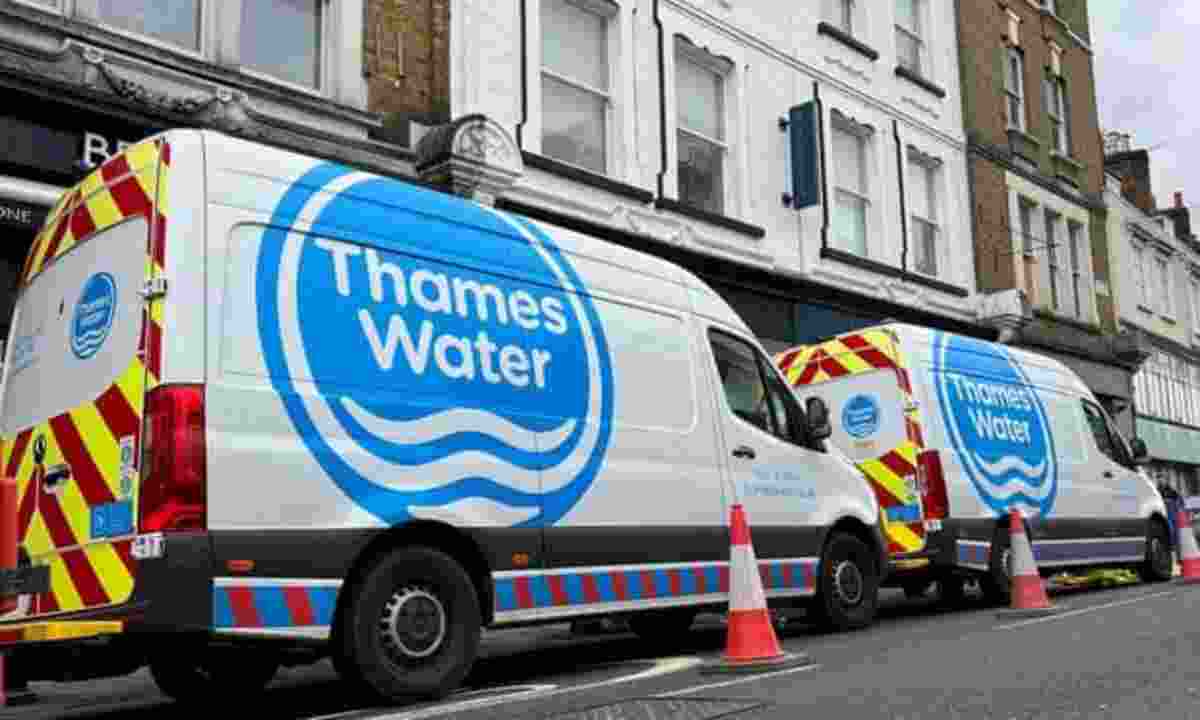
Thames Water, the UK’s biggest water and wastewater company, wants 2.4 billion more in emergency funding to help it weather a financial crisis. The company, which is in the midst of a financial crisis, announced on October 15 that it would need the extra money until autumn 2027 to buy more time while talks over a long-term rescue plan were ongoing.
The application would see the company seek to expand its emergency funding facility from 3 billion to 5.4 billion. Thames Water has already borrowed 2.65 billion of the 3 billion currently available, and has little room to borrow more to cover its costs. The company anticipates its available funds to be depleted by late 2026 or early 2027.
The financial state of Thames Water has been declining over a number of years, with high debt levels, old infrastructure and the need for investing large amounts of money causing strain. The company offers water and waste water services for 16 million people in London and the South East of England.
The company is carrying liabilities of approximately 20bn, with the process to come up with a long term financial restructuring still ongoing. Lender groups have been devising a rescue proposal aimed at helping to lower the debt levels, raise new investments and formulate a strategy.
The extra cash is to help plug the funding shortfall until that restructuring can take place. Thames Water said the higher-capacity plant would enable it to sustain its capital investment programme, which aims to deliver better services and environmental performance.
A new deal has yet to be finalised. Thames Water has to secure the creditor commitments and meet (or have waived) the conditions of the refinancing.
The company is seeking the go-ahead for the larger plant in stages over the next months. Creditors have been asked to approve updates to the company’s funding arrangements, with the latest consent proposals due by 29 October. The company has said further drawdowns will be subject to necessary approvals and conditions.
There are senior creditors, assembled within a consortium known as London & Valley Water, who are also interested in a wider restructuring that, in the past, has included a sizable new injection of equity and further borrowing as well as a write-down of existing debt.
Fights with rival creditors have also delayed the process. Several junior bondholders have disputed aspects of the restructuring plan, but experts say talks are ongoing to reach a consensus that would limit the prospect of legal action and further delays.
One potential result is a restructuring led by creditors that allows the utility to remain privately owned. Alternatively, if a viable solution cannot be reached, special administration may be useda process intended to ensure essential water services continue while the company’s financial issues are addressed.
Some parts of the company’s future remain undecided. Unsure still is who owns it, how it is regulated and on what terms a rescue might be agreed.
