
A new space race is rapidly unfolding above Earth as companies and governments deploy massive constellations of low-Earth-orbit (LEO) satellites to deliver high-speed internet from space. Over the past year, the satellite internet sector has accelerated dramatically, with companies like SpaceX, Amazon, and OneWeb expanding networks designed to connect remote communities, aircraft, ships, and even smartphones directly to orbiting satellites. The surge in launches and partnerships signals that satellite broadband is evolving from a niche service into a major global communications infrastructure.
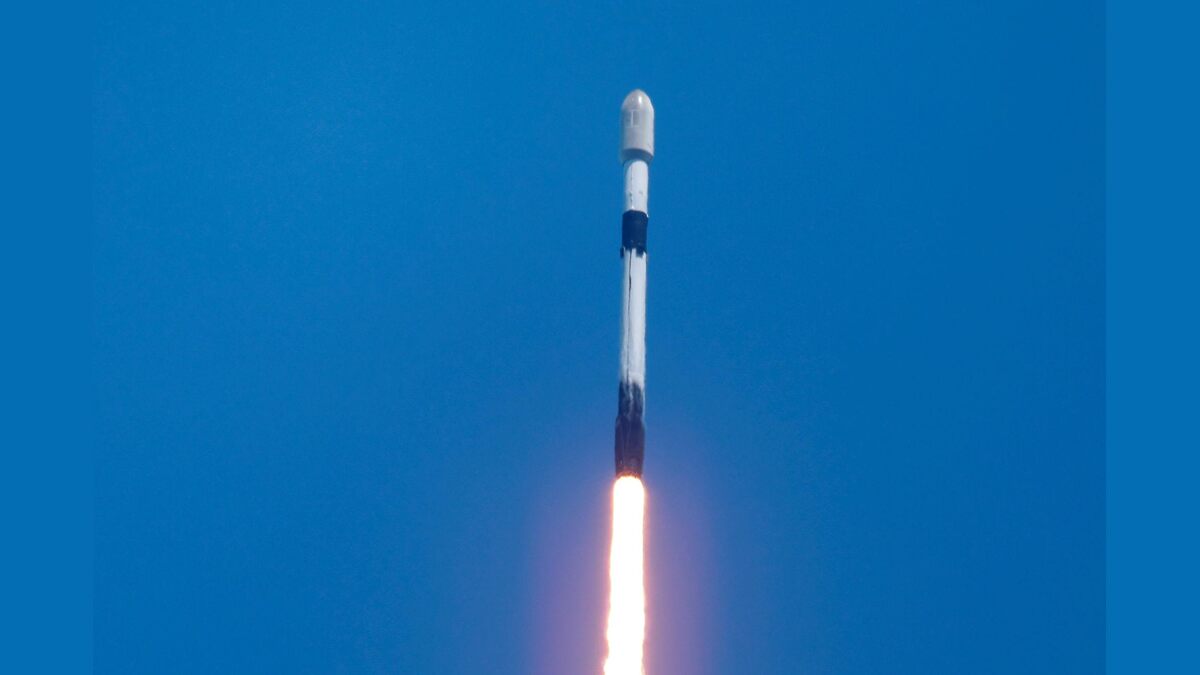
The most visible player in this race is SpaceX’s Starlink network, which already provides broadband connectivity across more than 150 countries. The company continues to launch satellites at a rapid pace, with recent Falcon 9 missions sending dozens of new spacecraft into orbit to strengthen the network’s global coverage. In one recent launch, SpaceX placed 29 additional Starlink satellites into low-Earth orbit as part of its ongoing effort to expand capacity and reduce latency for users worldwide.
Starlink’s rapid growth has allowed the network to reach millions of users and expand into new markets. The service has also broadened beyond residential broadband, with airlines, maritime operators, and enterprise customers increasingly adopting satellite internet. Over the past year alone, Starlink has expanded into dozens of new countries and added millions of active subscribers as demand for high-speed connectivity continues to rise.
At the same time, competitors are moving aggressively to challenge Starlink’s dominance. European satellite operator Eutelsat is expanding its OneWeb constellation with a major order for hundreds of additional satellites built by Airbus. The project aims to strengthen Europe’s presence in the global satellite broadband market and offer an alternative network for governments and telecom operators seeking diversified connectivity options.
Meanwhile, Amazon is preparing to launch its own large-scale satellite network under Project Kuiper. The company plans to deploy hundreds of satellites in the coming years, with around 700 expected to be in orbit by mid-2026. Industry analysts say Kuiper’s arrival will significantly intensify competition in the LEO satellite sector, giving telecom providers multiple networks to choose from when purchasing satellite capacity.
Telecommunications companies are already forming partnerships with satellite providers to expand coverage in areas where traditional mobile networks struggle to reach. In Europe, telecom giant Deutsche Telekom is working with Starlink to develop satellite-to-mobile connectivity that can deliver coverage in remote regions with difficult terrain or limited infrastructure. The initiative aims to connect millions of users across multiple European countries by integrating satellite technology directly into mobile networks.
Another major trend in the industry is the development of direct-to-device satellite services. Instead of requiring specialized satellite terminals, next-generation satellites are being designed to communicate directly with standard smartphones. Starlink’s upcoming V2 satellites are expected to support this capability, potentially enabling users to send messages, make calls, and access the internet even when they are outside traditional cellular coverage.
The market opportunity driving this expansion is enormous. Analysts predict that LEO satellite networks could generate around $15 billion in annual revenue in 2026 as millions of new subscribers adopt satellite connectivity. By the end of the decade, tens of thousands of satellites from multiple constellations may be operating in orbit, forming a dense network capable of delivering global broadband coverage.
Beyond consumer internet access, these satellite networks are expected to support a wide range of industries including aviation, maritime transport, emergency response, agriculture, and remote industrial operations. Governments are also exploring how satellite internet could strengthen national connectivity infrastructure and improve resilience during natural disasters or network outages.
As more satellites launch and new competitors enter the market, the race to build a global internet network in space is accelerating faster than ever. With companies investing billions of dollars into satellite constellations and telecom partnerships, the coming years could see space-based connectivity become one of the most important technologies shaping the digital world.
