
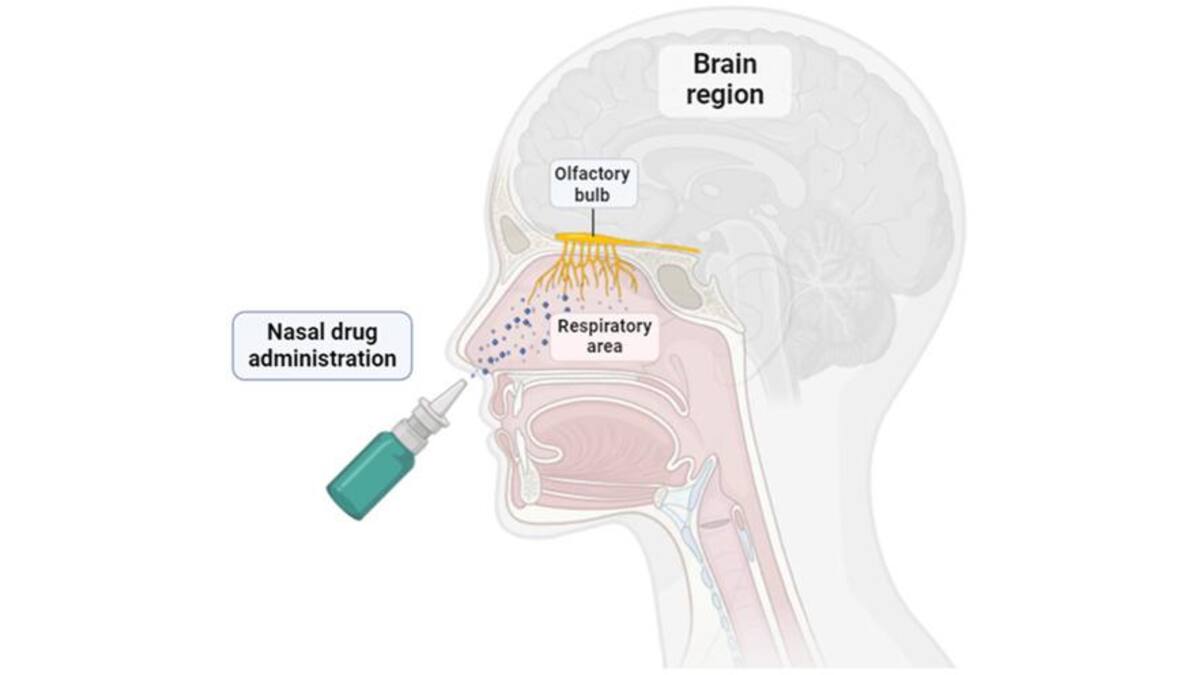
A groundbreaking scientific discovery in 2026 is reshaping how we understand brain aging, as researchers have developed a simple nasal spray that may reverse cognitive decline and restore memory. This innovation, led by scientists at Texas A&M University, could mark a major turning point in the fight against age-related brain disorders such as Alzheimer’s disease and dementia.
For decades, scientists believed that brain aging was an irreversible process. As people grow older, the brain gradually accumulates low-level inflammation, a condition known as “neuroinflammaging.” This chronic inflammation affects memory, slows thinking, and increases the risk of neurodegenerative diseases. However, new research suggests that this process may not be permanent after all.
The newly developed nasal spray targets this inflammation directly using microscopic biological particles called extracellular vesicles. These particles carry genetic material known as microRNAs, which help regulate harmful processes inside brain cells. Delivered through the nose, the spray bypasses the brain’s protective barrier and reaches deep into brain tissue, where it begins repairing damage at a cellular level.
What makes this discovery especially remarkable is its effectiveness in early studies. In preclinical experiments on aging models, just two doses of the nasal spray significantly reduced brain inflammation, restored cellular energy function, and improved memory performance within weeks. Even more impressive, these benefits lasted for several months after treatment.
Researchers observed that the therapy not only reduced inflammation but also reactivated the brain’s natural repair systems. It helped restore mitochondrial function—the “power plants” of brain cells—allowing neurons to regain their ability to process and store information effectively. This suggests that the treatment does more than slow decline; it may actually reverse some of the damage caused by aging.
Another key advantage of this approach is its non-invasive nature. Traditional methods of delivering drugs to the brain are often complex and risky due to the blood-brain barrier, which blocks most substances from entering brain tissue. The nasal spray bypasses this obstacle entirely, offering a simple and potentially safer alternative for future treatments.
The implications of this research are enormous. With global populations aging rapidly, the number of people affected by dementia and cognitive decline is expected to rise sharply in the coming decades. Scientists believe that therapies like this could help people maintain mental sharpness, independence, and quality of life for much longer.
Despite the excitement, experts caution that the treatment is still in its early stages. Most of the current findings are based on animal studies, and further research is needed before human clinical trials can begin. Scientists are optimistic, however, that the simplicity and effectiveness of the nasal spray will accelerate its development into a real-world therapy.
What sets this breakthrough apart is its potential to fundamentally change how we think about aging itself. Instead of viewing cognitive decline as inevitable, this research suggests that the brain can heal, adapt, and even rejuvenate under the right conditions. It opens the door to a future where aging does not necessarily mean losing memory or mental clarity.
In conclusion, the nasal spray breakthrough represents one of the most exciting developments in neuroscience in recent years. By targeting the root cause of brain aging—inflammation—it offers a promising path toward reversing cognitive decline rather than merely managing it. While more studies are needed, this innovation could one day transform how we treat brain health, bringing hope to millions worldwide.
