
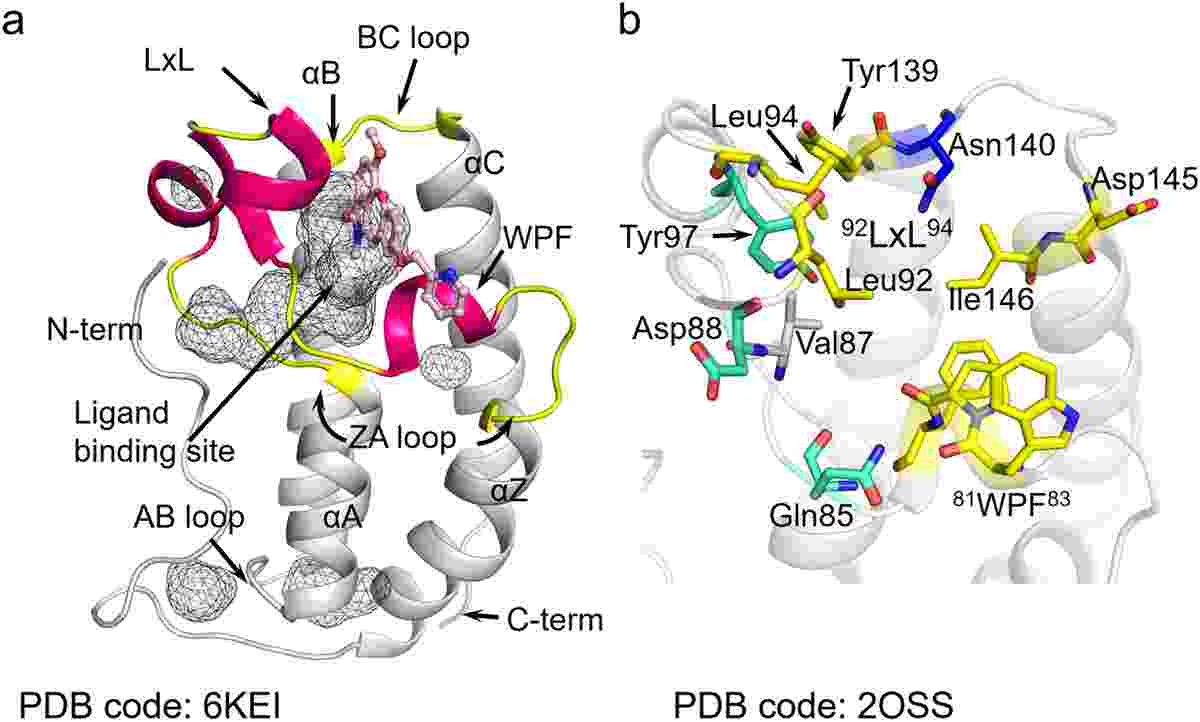
A major breakthrough in cancer research has finally explained why a once-promising class of drugs known as BET inhibitors has struggled to deliver results in patients despite strong performance in laboratory tests. Published this week in the journal Nature Cancer, the international study led by scientists at the Dana-Farber Cancer Institute and the University of Cambridge pinpoints the exact molecular mechanisms that cause these targeted therapies to lose effectiveness or trigger severe side effects in clinical trials.
BET inhibitors work by blocking bromodomain and extra-terminal proteins, particularly BRD4, which cancer cells hijack to supercharge the expression of oncogenes like MYC. In preclinical models of leukemia, lymphoma, and certain solid tumors, these drugs rapidly shut down tumor growth and even induced complete remissions. Yet when moved into human trials, most candidates showed only modest responses, with many patients experiencing quick disease progression or intolerable toxicities that forced dose reductions.
The new research team used advanced CRISPR screening, single-cell RNA sequencing, and live-cell imaging to track what happens inside cancer cells after BET inhibition begins. They discovered that blocking BRD4 triggers an unexpected compensatory feedback loop. Within hours, cancer cells ramp up alternative epigenetic regulators that restart MYC production through different pathways. This rapid adaptation creates a built-in resistance mechanism that previous studies had missed because it only activates under the stress of actual drug exposure in living tissue.
More critically, the study identified why toxicity has plagued the field. BET proteins also play essential roles in normal blood cell production and immune function. When inhibitors suppress BRD4 too aggressively, they unintentionally disrupt these healthy processes, leading to the low platelet counts, fatigue, and gastrointestinal issues that halted several late-stage trials. The researchers found that the degree of toxicity correlates directly with how completely the drug wipes out BRD4 activity rather than how selectively it targets cancer-specific interactions.
These findings arrived at a pivotal moment. Several BET inhibitors, including pelabresib and ABBV-744, had reached Phase 3 testing for myelofibrosis and other blood cancers but were recently discontinued or repurposed after disappointing efficacy data. Pharmaceutical companies had poured billions into the class, viewing it as a potential game-changer for cancers driven by epigenetic dysregulation. The new insights now offer a clear roadmap to rescue the approach.
Lead author Dr. Elena Ramirez explained that the team has already designed next-generation molecules that disrupt only the cancer-specific BRD4 interactions while leaving normal cell functions intact. Early laboratory tests of these refined compounds show sustained tumor suppression without triggering the resistance loop or the dangerous side effects. One candidate, currently in preclinical optimization, combines BET inhibition with a low-dose partner drug that blocks the compensatory pathway, creating a powerful one-two punch.
Oncologists and drug developers have welcomed the results as a turning point. Dr. Michael Chen, a hematologist at Memorial Sloan Kettering who was not involved in the study, noted that understanding these failure mechanisms will accelerate the redesign of clinical trials. Future studies can now incorporate biomarkers that predict which patients are most likely to develop resistance and adjust dosing schedules to stay ahead of the feedback loop.
The implications extend beyond BET inhibitors. Many targeted therapies face similar hurdles when cancer cells find clever workarounds. This research demonstrates how combining high-resolution molecular profiling with functional testing can uncover hidden vulnerabilities before drugs reach patients. Industry analysts predict that the findings will spark renewed investment in epigenetic drugs, with several biotech firms already licensing the new screening platforms developed by the research team.
As cancer treatment moves toward more precise and adaptive strategies, this study provides renewed hope that BET inhibitors—or their improved successors—can finally fulfill their early promise. Patients with hard-to-treat blood cancers and solid tumors may soon benefit from therapies that hit the target without the devastating trade-offs that have limited progress until now. With clinical trials of the redesigned molecules expected to begin by late 2027, the field is watching closely to see whether the mystery of BET inhibitor failure has truly been solved.
